
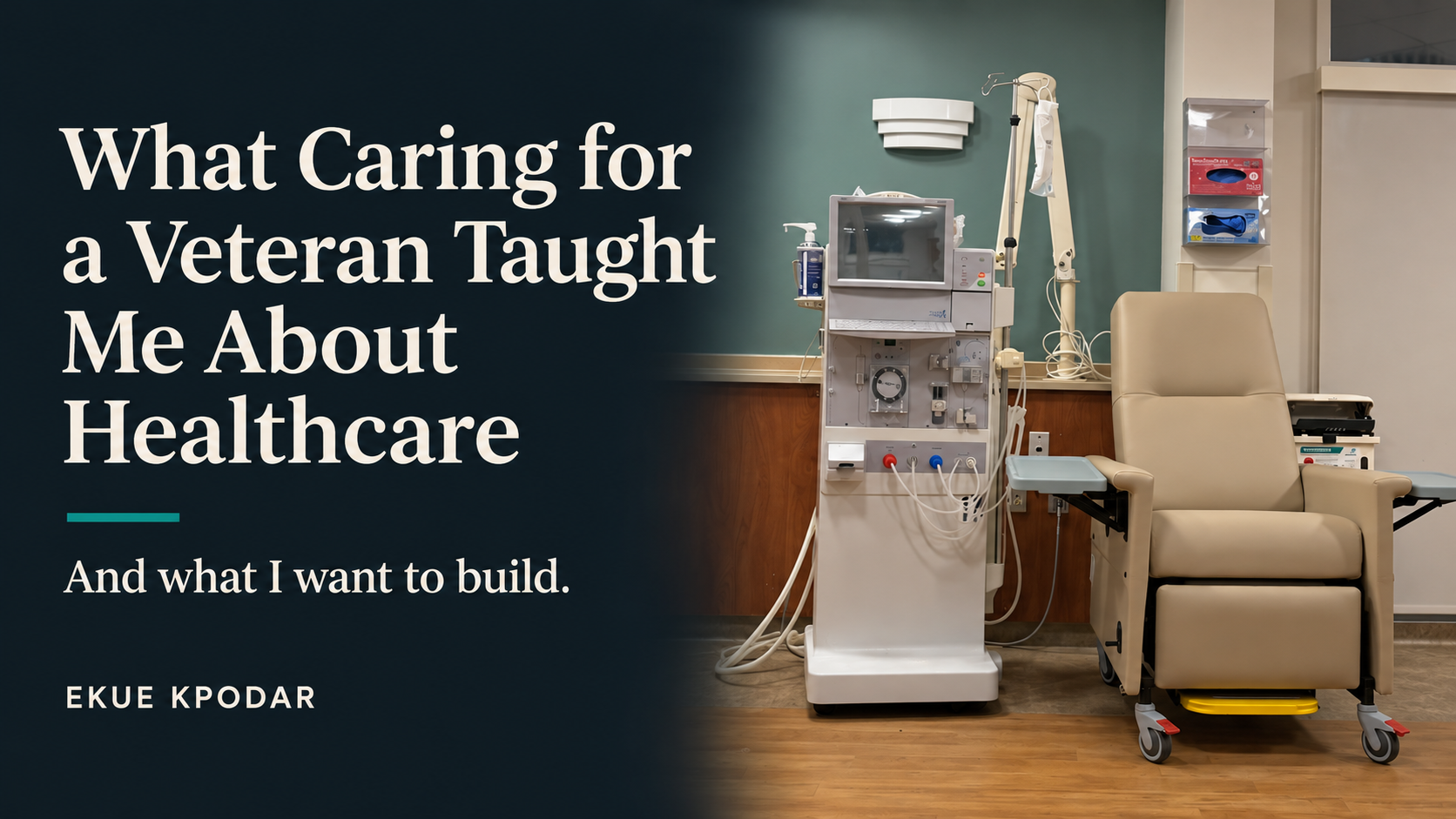
A dialysis chair looks ordinary until you understand how much someone’s life depends on getting to it.
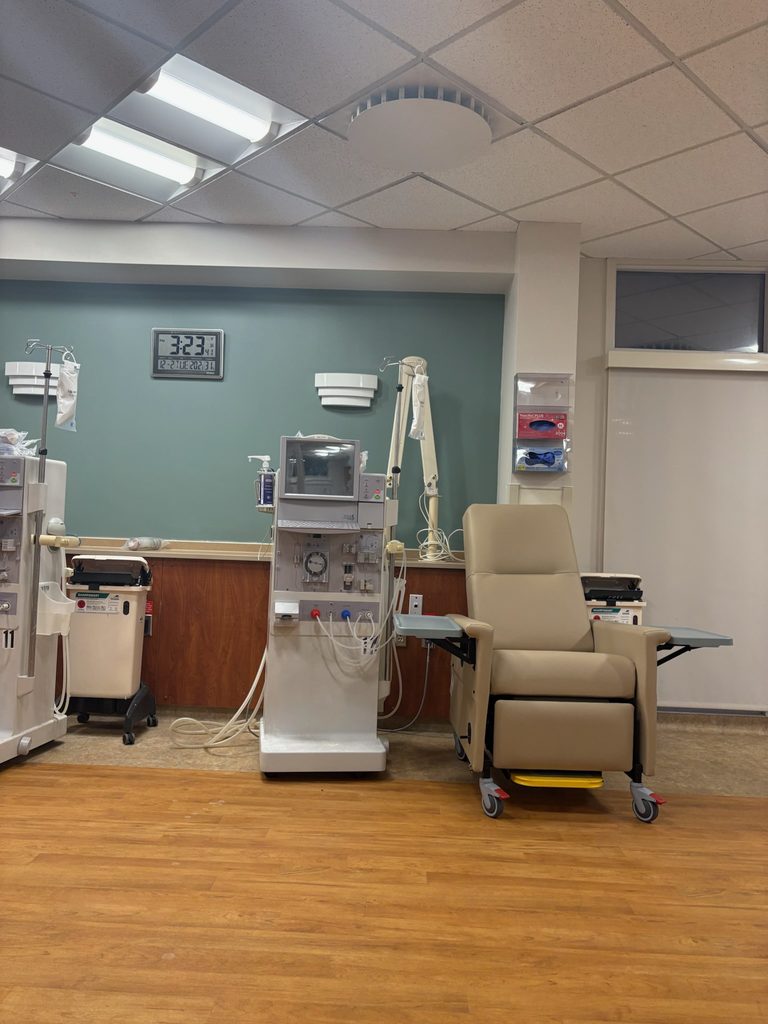
For a Vietnam-era Navy veteran I helped care for, that meant treatment three times a week. It meant transportation, appointments, medical equipment, and people following through. His care depended on all those things working together.
He was my friend’s brother. He was paralyzed, had several serious medical conditions, and needed a replacement prosthetic leg through the VA. I had already spent time helping older adults, including in nursing homes, but caring for him gave me a much deeper understanding of what it takes to keep someone connected to care.
I also helped move him from North Carolina to Georgia. I expected more help from the system responsible for supporting him. Instead, I found myself taking responsibility for arrangements I thought that system would handle.
From where I stood, the process felt broken. Here was someone who had served his country and now needed substantial help. Getting that help required someone else to keep pushing.
I kept wondering what happened to people who had nobody available to do that.
Veteran homelessness had already been on my mind. A national count identified 32,882 veterans experiencing homelessness on a single night in January 2024. That figure represented an improvement over earlier years, but it still meant tens of thousands of people without stable housing. Caring for one veteran made the vulnerability behind those numbers much harder for me to ignore.
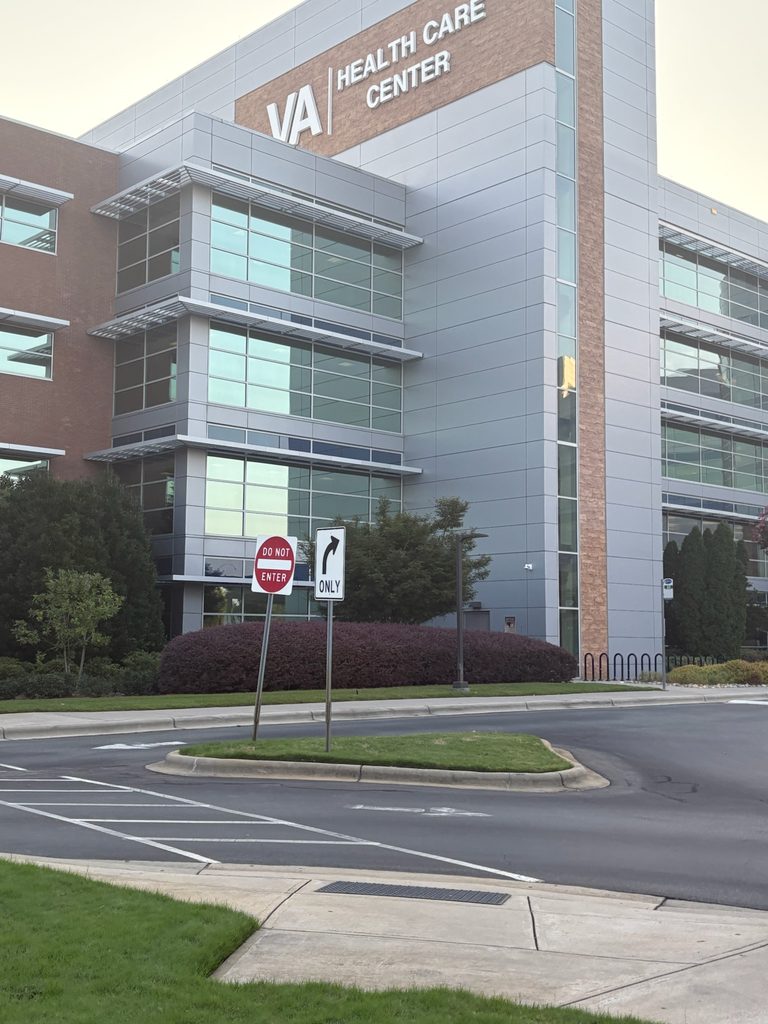
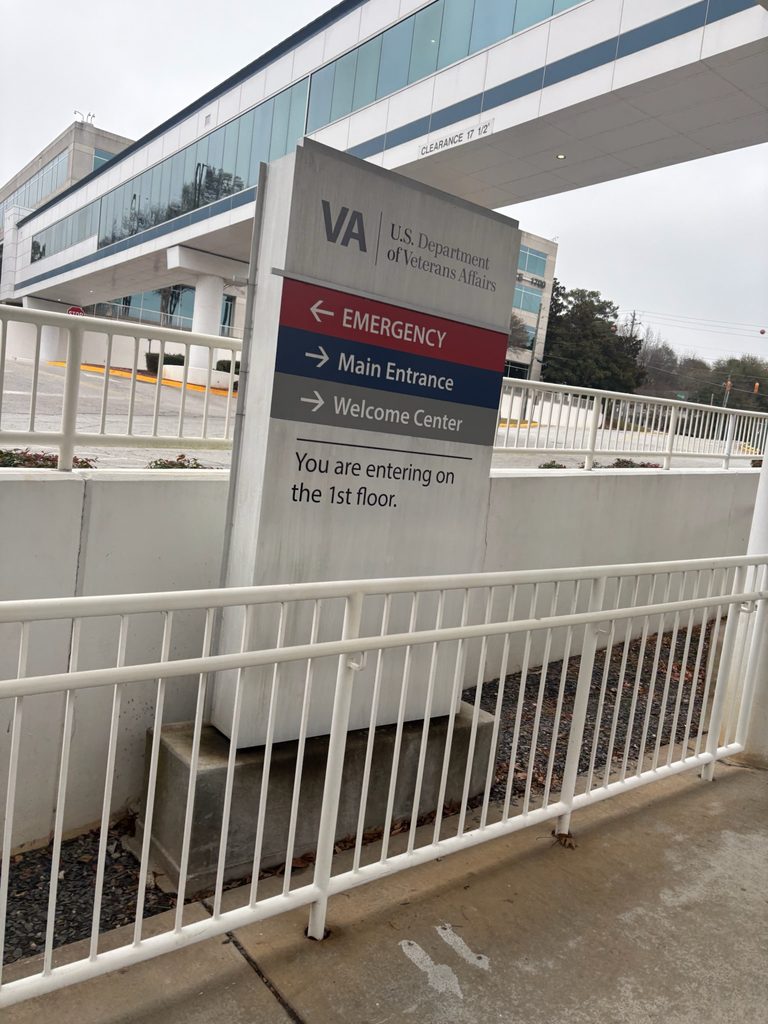
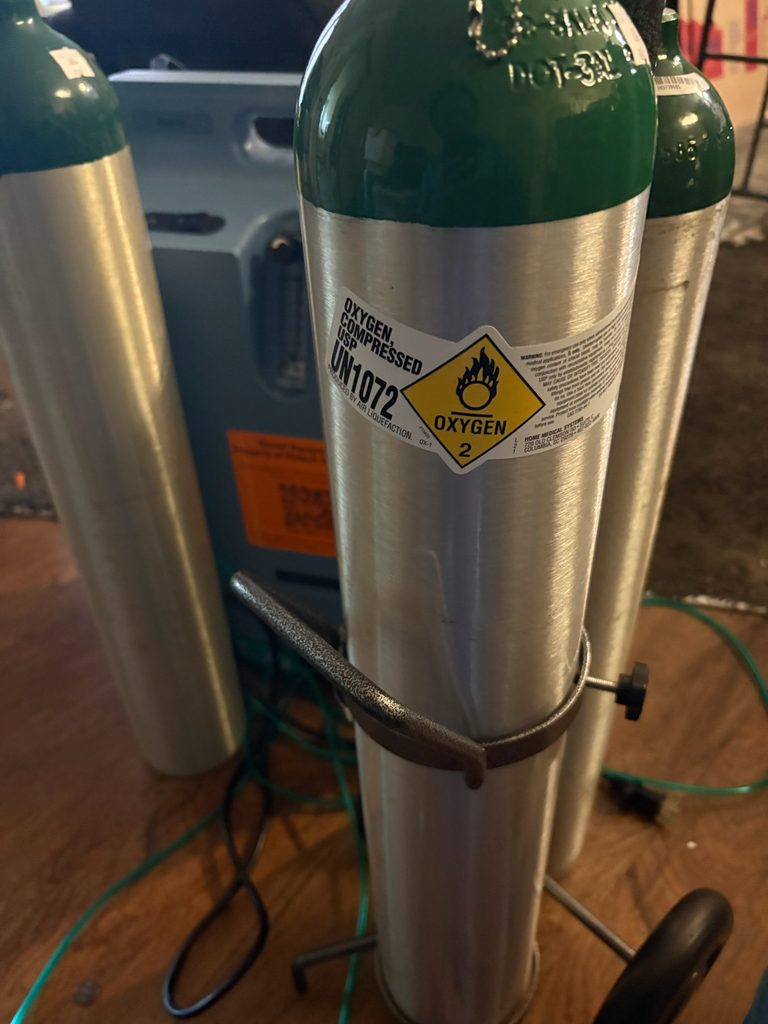
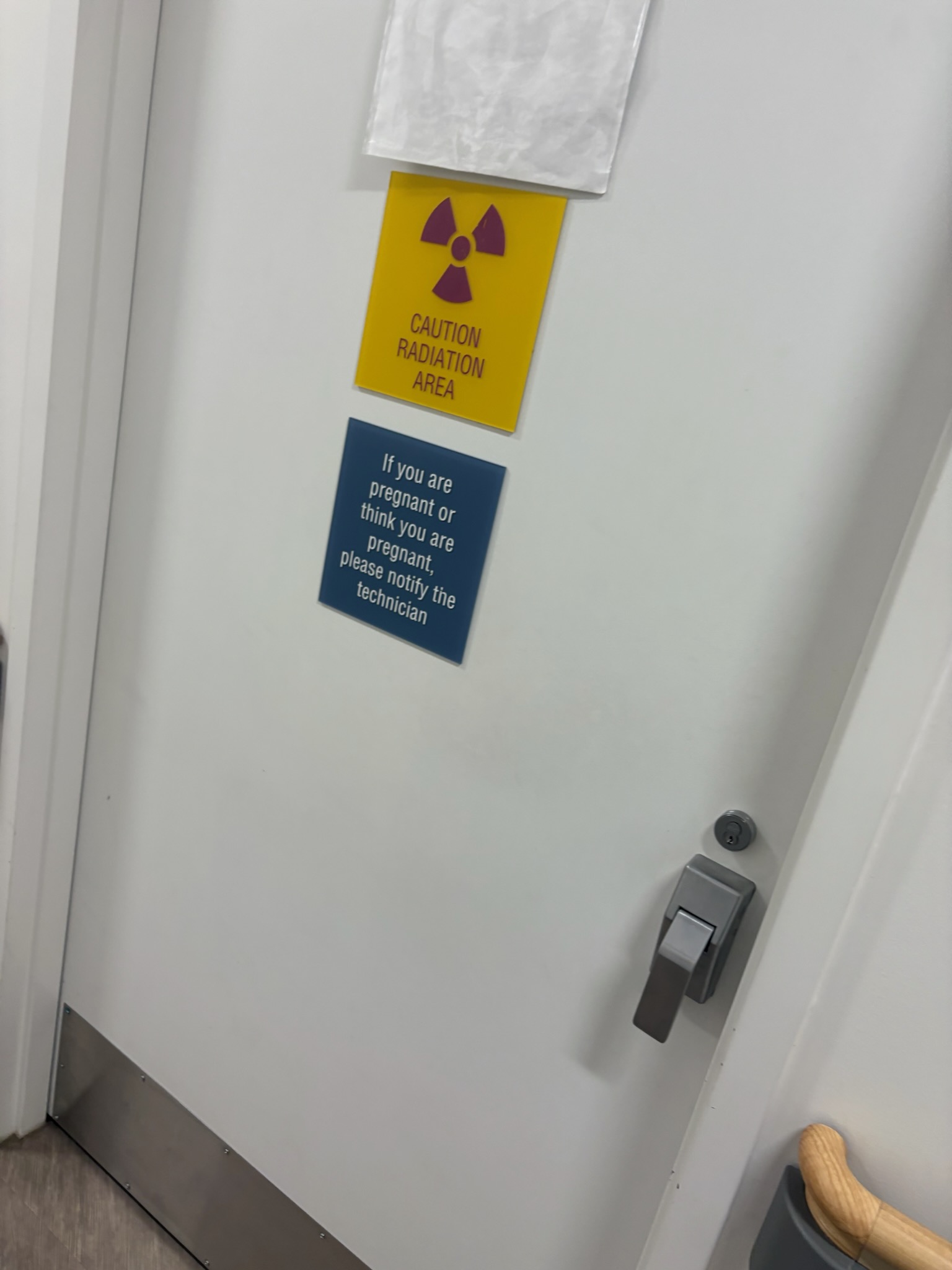
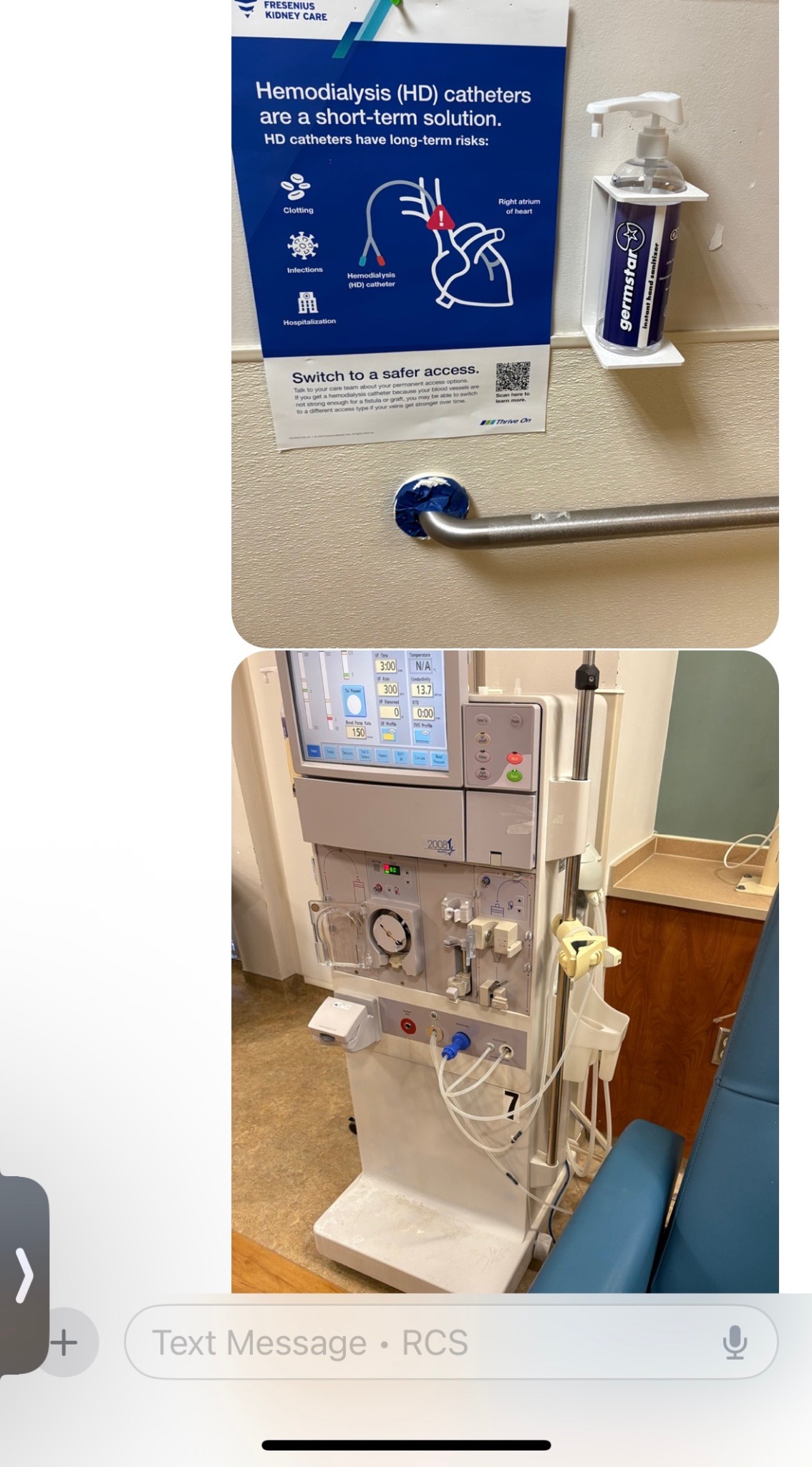
The photographs from that period capture pieces of what I was learning: VA buildings, hospital entrances, oxygen cylinders, dialysis machines, and a sign pointing toward palliative care. Behind each photograph was the work of getting someone through another part of the healthcare system.
Over time, I started paying closer attention to the equipment.
I learned about the two main forms of dialysis. Hemodialysis circulates blood through a filter outside the body to remove waste and excess fluid. Peritoneal dialysis uses the lining of the abdomen, together with dialysis solution, to perform that filtering inside the body. They serve a similar purpose through different processes and routines.
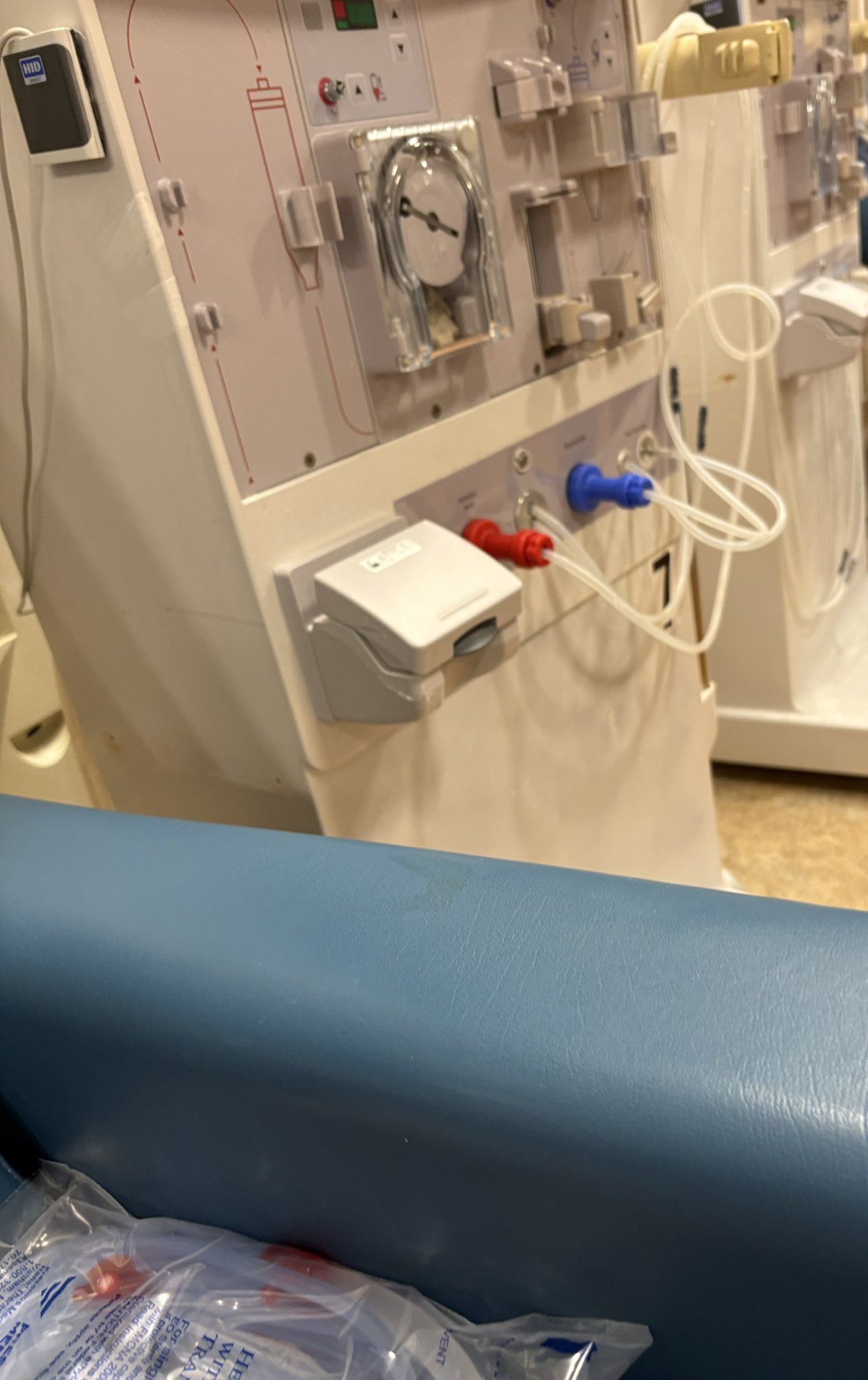
His schedule was three treatments a week, a common schedule for dialysis performed in a center. Missing prescribed treatments can allow dangerous amounts of fluid and potassium to accumulate and can become life-threatening. Understanding that changed the meaning of an appointment for me. Transportation and scheduling became part of keeping him safe.
I had been interested in medical equipment before this experience. Now that interest had a person attached to it.
Looking at a dialysis machine, I wanted to understand the pumps, sensors, filters, alarms, and software. I wanted to understand how engineers made those components work together reliably, and how clinicians used them to care for someone whose body needed that support.
My background in technology gave me questions. Caregiving gave those questions urgency.
A friend who works as a perfusionist brought another part of medicine into focus. Perfusionists operate heart-lung equipment that maintains circulation and oxygenation during certain heart operations, working alongside the surgical team. Learning about that role expanded my interest in the machinery that can temporarily support essential functions of the human body.
I began seeing a connection between the engineering I wanted to do and the people I was spending time with.
Kidney disease. Heart problems. Diabetes. Breathing difficulties. Memory loss.
These conditions kept coming up in conversations and caregiving. One friend in his seventies told me how many people in his family had died from heart attacks. Listening to him made me think about how much medical history someone can carry, and how much worry comes with it.
Spending time with older adults also changed how I thought about independence. Getting across a room, making an appointment, arranging a ride, or understanding a bill can become a major task. When several of those problems arrive together, someone has to coordinate the whole picture.
The financial side troubled me too. I thought about what a large hospital bill could mean for someone already dealing with illness, and how exhausting it must be to dispute charges or seek answers while trying to recover.
I started asking myself what useful technology would look like from that person’s position.
That is where my interest in AI, medical devices, and healthcare began coming together.
I started imagining tools that could work alongside systems such as Oracle Health and Epic: tools that help connect medical records, research, appointments, and the people responsible for following up.
An AI agent could help organize records before a visit. Another could track a referral and flag that nobody had completed the next step. A research assistant could help clinicians review relevant studies and identify clinical trials whose eligibility requirements might fit a patient.
I wanted to explore knowledge graphs and network science as part of that work—ways to connect diseases, medications, symptoms, exposures, and research findings so investigators could see relationships worth studying. Those patterns would generate questions to test. Clinicians and researchers would still need to evaluate the evidence and decide what was appropriate for each person.
For the veteran I helped, even a system that made the next appointment, transport arrangement, or handoff more reliable would have addressed something real.
I also began thinking beyond the United States.
I want to explore what it would take to make dependable medical equipment and supporting software more accessible in underserved communities across Africa, Asia, and South America. That would mean working with local clinicians and engineers to understand what they need, what they can afford, and what they can maintain.
A machine needs trained operators, replacement parts, supplies, and dependable service. Building a business around those needs could create lasting value. I believe there is room to earn money by making essential care easier to deliver.
That experience also brought me back to something personal.
I had wanted to work at the intersection of medicine and technology for a long time. Somewhere along the way, I let the desire to follow a familiar path influence what I pursued.
Spending time with people later in life made me reconsider that choice. Hearing about their lives—their families, work, losses, and decisions—made time feel more concrete. I began thinking about what I would regret leaving unexplored.
I do not want to reach the end of my life knowing I kept postponing work that mattered to me because I was trying to fit someone else’s expectations.
Caring for that veteran gave me a clearer sense of the problems I want to work on. I saw how much responsibility can fall on a family member or friend, how closely technology and human care depend on each other, and how easily a person can struggle between appointments, organizations, and states.
When I look at those photographs now, I think about him. I think about the people who need someone to make the arrangements, understand the equipment, ask another question, and follow through.
That is the purpose I want my work to serve: helping people receive dependable care, preserve their dignity, and spend more of their lives living.